
The way we gather is changing. Traditional sit-down dinners are making room for something more fluid, interactive, and memorable: experiential tastings.
For decades, events followed a predictable pattern: arrive, sit down, eat a multi-course meal, maybe mingle briefly, then leave. But today’s guests want more than just a meal, they want an experience.
The Shift in Event Culture
Modern gatherings are evolving from formal, structured affairs to fluid, interactive experiences. Several factors are driving this change:
- Changing social dynamics – People crave genuine connection over formal etiquette
- Time constraints – Not everyone can commit to 3+ hour dinners
- Desire for participation – Guests want to be involved, not just spectators
- Culinary curiosity – Increased interest in food exploration and discovery
- Social media influence – Shareable, visually engaging experiences gain traction
What Are Experiential Tastings?
Experiential tastings are curated, interactive gatherings that prioritize exploration, movement, and connection over traditional dining formalities. They typically feature:
- Shorter durations – 60-90 minutes instead of 3+ hours
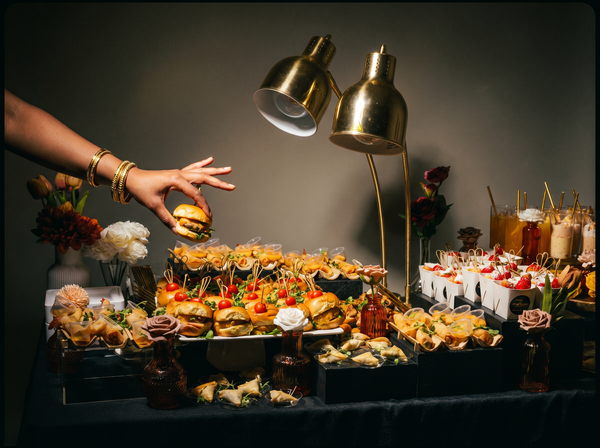
- Curated bites – Thoughtfully prepared small plates
- Interactive beverage stations – Build-your-own mocktails or guided tastings
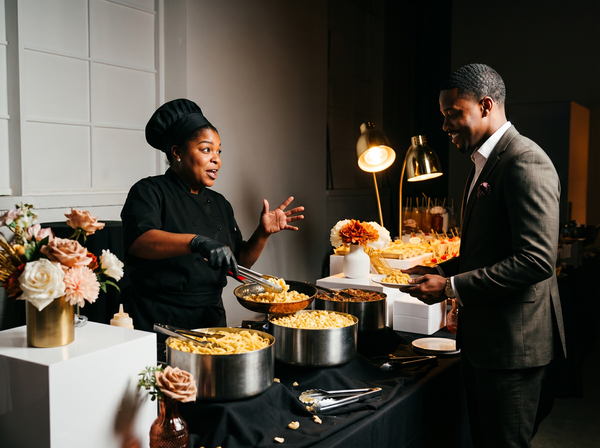
- Movement-based layouts – Standing or mingling formats
- Conversation-focused design – Spaces that encourage interaction
Why Experiential Tastings Leave Stronger Impressions
Unlike traditional dinners where guests are passive recipients, experiential tastings create active participants. This shift from observation to involvement leads to several key benefits:
| Traditional Dinner | Experiential Tasting |
|---|---|
| Passive participation | Active involvement |
| Fixed seating | Fluid movement |
| Predetermined courses | Personal exploration |
| Limited interaction | Maximum connection |
| Forgettable routine | Memorable experience |
The Psychology Behind the Experience
It create stronger memories? The answer lies in cognitive psychology:
- Active participation – When guests make choices (what to try, what to combine), they form stronger neural connections
- Multi-sensory engagement – Taste, smell, sight, and social interaction create rich memory encoding
- Novelty effect – Breaking from routine creates “flashbulb memories” that last longer
- Social validation – Shared experiences with others reinforce memory through storytelling
Infuzed’s Approach to Experiential Tastings
At Infuzed, we’ve embraced this shift toward experiential gatherings through initiatives like our Bites & Sips experience. Our philosophy centers on:
- Intentional design – Every element serves a purpose in fostering connection
- Cultural authenticity – Celebrating flavors and traditions meaningfully
- Guest agency – Empowering participants to shape their own experience
- Seamless execution – Making complexity feel effortless
Real-World Examples of Successful Experiential Tastings
Beyond Infuzed, experiential tastings are gaining popularity across the culinary world:
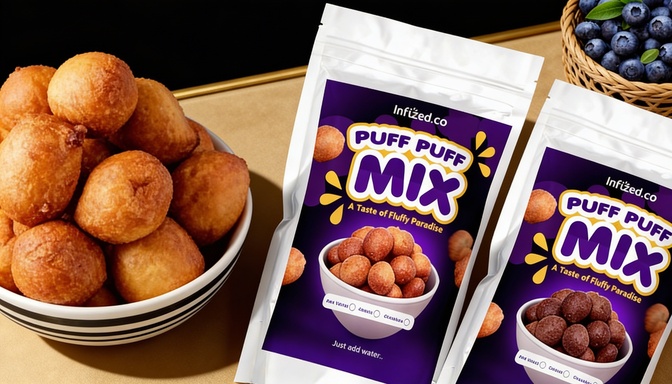
- Puff Puff Flights – Sampling different flavor variations of this West African staple
- Mocktail Building Stations – Guests create their own non-alcoholic masterpieces
- Progressive Tasting Journeys – Moving through flavor “stations” with curated pairings
- Conversation Catalyst Corners – Designed spaces that spark meaningful dialogue
Frequently Asked Questions About Experiential Tastings
How long do experiential tastings typically last?
Most experiential tastings are designed for 60-90 minutes, long enough for meaningful engagement but short enough to fit into busy schedules.
Are these events suitable for dietary restrictions?
Yes! The interactive nature often makes it easier to accommodate different dietary needs with alternative options at each station.
What makes experiential tastings different from cocktail parties?
While both involve mingling, experiential tastings are intentionally designed with curated flavor journeys, educational elements, and conversation catalysts that go beyond casual socializing.
Can experiential tastings work for corporate events?
Absolutely. The interactive format breaks down hierarchical barriers and fosters team bonding more effectively than traditional seated dinners.
How do I know if my event should be an experiential tasting?
Consider an experiential tasting if your goals include: fostering genuine connections, encouraging interaction, creating memorable moments, or offering culinary exploration.
The Future of Gatherings: Where Are We Headed?
The rise of experiential tastings represents a broader shift toward intentional, meaningful gatherings. As we move forward, expect to see:
- Hybrid formats – Blending virtual and in-person elements
- Personalization – AI-assisted customization of experiences
- Sustainability focus – Zero-waste tasting experiences
- Cultural fusion – Cross-cultural flavor explorations
Ready to Experience the Future of Gatherings?
The shift from traditional dinners isn’t just a trend, it’s a response to how we genuinely want to connect in today’s world. At Infuzed, we’re proud to be at the forefront of this movement.
Experience it for yourself through our Bites & Sips tasting journey, or explore how we can help design an experiential tasting for your next gathering.